
DreamWorks Animation
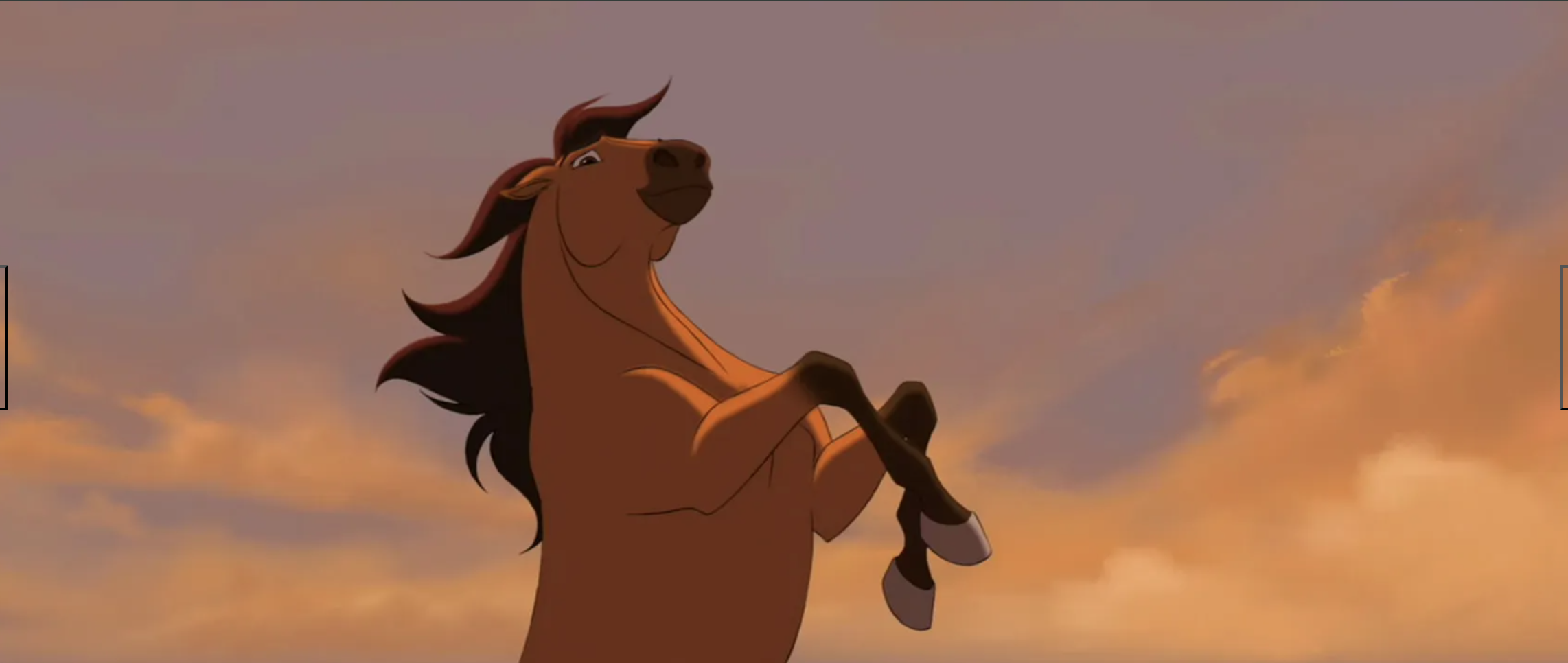
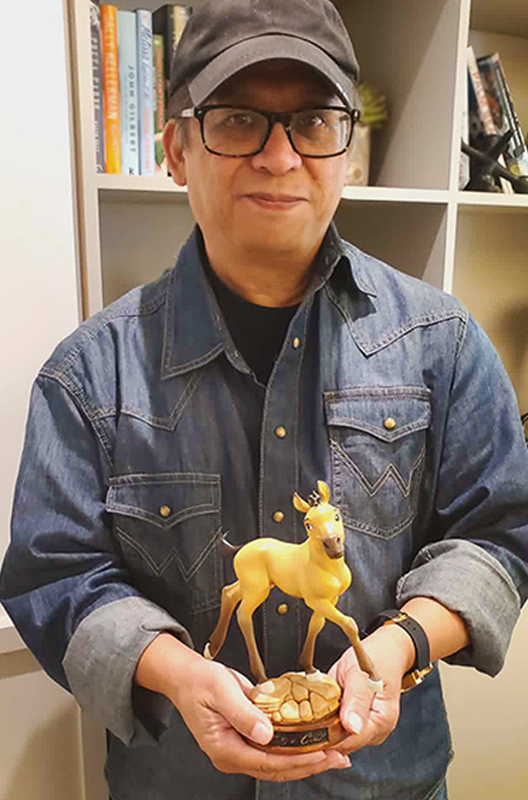
“Spirit: Stallion of the Cimarron” holds a special place in the heart of artist Peter Paul, who worked as a rough animator and assistant animator on the DreamWorks Animation film.
Paul will be on hand to talk about his experiences as part of the “Spirit” team of animators on Saturday, May 9, for the Spirit of the Horse, Return to Freedom’s special event celebrating the 31st birthday of Spirit, the Kiger mustang stallion who was the animators’ muse and model, and the opening of our 2026 programs season. The event will run from 2:30-6:30 p.m. at our flagship sanctuary in Lompoc, Calif. Advance tickets are required.
Spirit animator Peter Paul
A veteran of more than 30 years in the entertainment industry, Paul has primarily served as a story artist, earning credits on diverse productions such as “Lilo & Stitch 2”, “Phineas & Ferb”, “Mulan 2”, “Tinker Bell & the Lost Treasure”, “Alvin & The Chipmunks 2”, “Curious George”, “Green Eggs & Ham,” Dreamworks’ “Dragons” series, and the “Bob’s Burgers Movie.”
“Spirit” was Paul’s first film at DreamWorks. It gave him a chance to use his skill at drawing horses — including when Spirit, the horse, was brought to the studio for the artists to sketch. After the film’s completion, DreamWorks chose Return to Freedom’s American Wild Horse Sanctuary to be Spirit’s home.
What was your background in animation before Spirit?
Before Spirit, I was at Warner Bros where I was an assistant animator on “Space Jam” and “Quest for Camelot,” and a storyboard artist for the series “Baby Blues” (based on the comic strip). Later, I was recommended and hired at Disney, where I worked as a storyboard artist on “Clerks: The Animated Series” (based on the Kevin Smith indie film) and assisted with animation for “The Tigger Movie.”
“Space Jam” was my first animation job where I was an assistant animator. An assistant animator supports the lead/senior animators by cleaning up rough animation frames, performing in-betweening to create smooth motion, and ensuring characters remain “on model.” This was all done traditionally which means it was done on paper and pencil.
What were your responsibilities on “Spirit?”
On “Spirit,” I was a rough animator and an assistant animator. As a rough animator, my responsibilities were scenes involving the mane and tail of Spirit and scenes where Spirit was running. As an assistant animator, I primarily cleaned up the rough animation and the majority of my scenes were close-ups of Spirit’s face.
About how long did you work on the film?
I was on Spirit for less than a year. I had to leave before production ended because Disney was asking me to return to work on a pilot for a TV series. I asked my producers on “Spirit” if I could leave early, and they gave me their blessing and congratulations.
What difference did it make for the animators to work with a real horse, in person?
Animators learn from real life. Animating is to bring to life and add energy and movement to a character. To do that, we have to study real horses and how they move.
What does the “Spirit” mean to you personally, both the story and the process?
The story meant a great deal because Spirit exemplifies the ideals of freedom, independence, and resilience — qualities that we as people should learn from. As for the process, I don’t remember drawing any humans from the film, so I’d say my process was simply drawing Spirit every day in different sizes and from different angles. When he was in an up-close shot, I focused on his eyes and facial expressions and making sure the correct emotion was seen clearly, as Spirit does not talk, unlike most animated animal clichés.
Why do you think the film resonated with so many people?
“Spirit” is simply a very beautiful, heartfelt film, and there are so many who love horses dearly. It had a mix of traditional and CGI animation. Spirit had an amazing emotional soundtrack by Hans Zimmer with songs by Bryan Adams. I think the film’s theme of protecting one’s freedom resonates with everyone.
What’s it been like continuing to meet fans of the film after all of this time?
It’s amazing! When we made “Spirit,” social media wasn’t as big and so we had no idea if people liked it. Through the years, I have met hundreds of fans at conventions and expos and at Return to Freedom’s sanctuary. I’m so happy to meet so many fans, though I always to have to remind them that I am only one of a large crew who helped produce “Spirit.”
We’re grateful you’ve been part of RTF events. What keeps you coming back to them?
Seeing Spirit in person is an unusual experience for me as he is the only muse and model of an animated character that I’ve drawn, and I have drawn dozens of characters. Having that connection with Spirit is unique. Everyone at RTF is not only doing important advocacy work and protecting wild horses but they are also the kindest and warmest people I know. I always look forward to seeing them.